Life Is All About Momentum
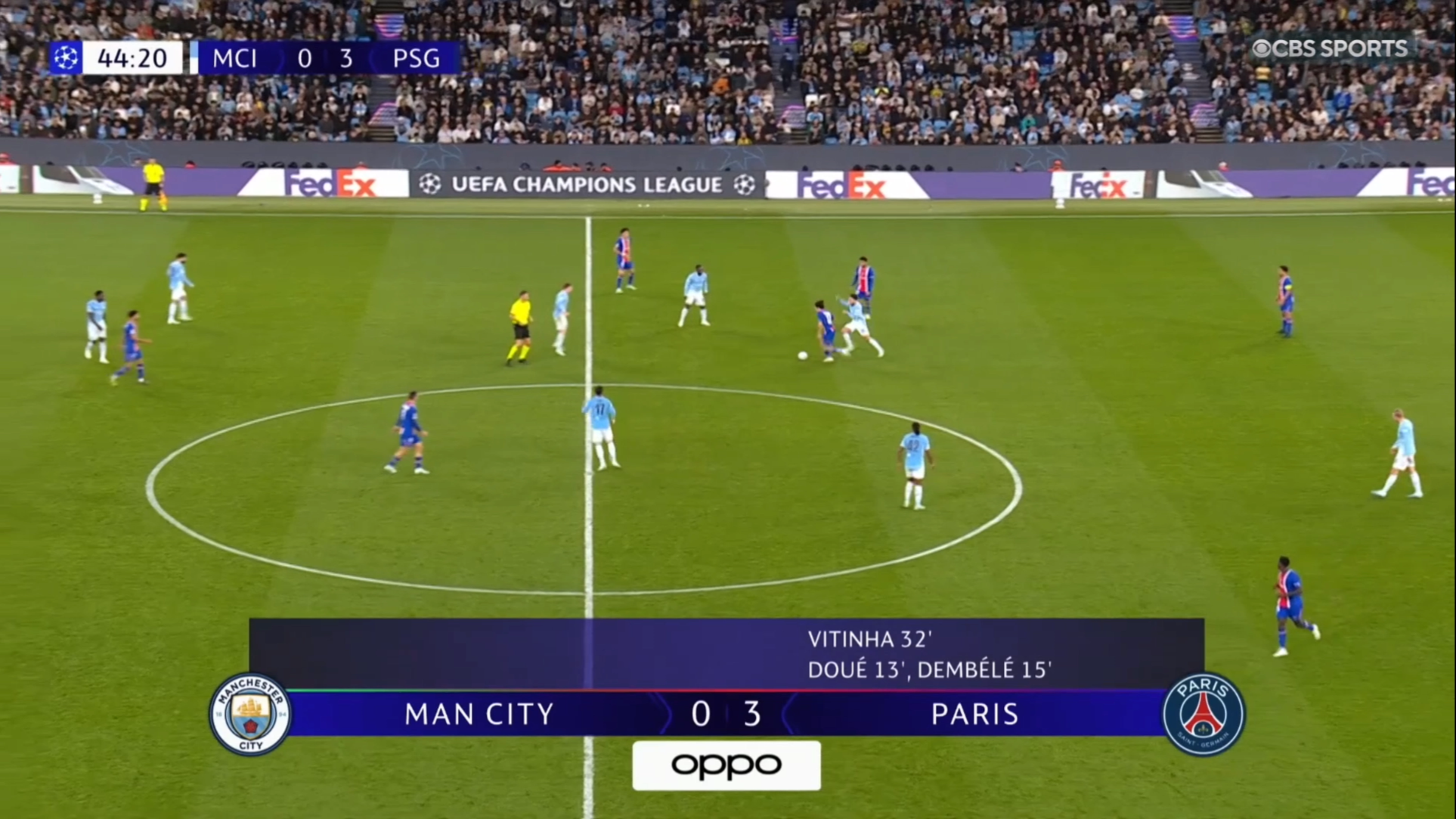
If you grew up watching sports, you love watching those games where a comeback is around the corner. You can feel it.
I remember when Manchester City was playing the final game of the Premier League season and they were losing against Aston Villa. I was sad. I even threw a pillow at my mom — sorry, mother.
But it was so annoying because it was an easy game and the game that decided if we won the league. And somehow, someway, goal after goal, Ilkay Gündoğan turned up and scored a winner that I will always remember. Man City won the league despite being 2-0 down, despite everyone losing faith, despite the odds being stacked against them.
Watching sports, whether it’s the NFL, PL, or the NBA, I finally understood what momentum means in sports and in life.
The most recent example of an amazing comeback was the Knicks vs. Spurs in the NBA Finals, where the NY Knicks trailed 81–52 in the third quarter and faced a 76–49 halftime deficit. They won 107–106 on OG Anunoby’s game-winning tip-in with 1.2 seconds remaining, completing the largest comeback in NBA Finals history.
When you are 29 points down and all hope is lost, teams sometimes find a way to win.
You can say the team talk at halftime is the reason, the change of tactics, or maybe the crowd got more energized — all valid answers.
I think it’s something a little bit harder to describe.
See, I actually think it’s about two different things: A) making one good play, one basket, one goal that changes everything, and B) losing allows you to play freely.
This might be controversial, but I genuinely don’t think it matters if you are playing a game of soccer and you lose 6-2 vs. 1-0 vs. 4-2. All of them are losses. Yes, people might say you fought harder or it’s less embarrassing, but a loss is a loss.
When the scoreline is 6-2, you might as well go all out. Because playing without pressure, playing knowing that you already lost, allows you to play with a different perspective. You now start to play more freely, make a pass you would never make, dribble a little bit more, ego drive, command the play.
Losing allows you to play without your mind telling you what to do.
And when you accept that and then make that one play that sparks momentum — a block, a long shot, a save — it all falls like dominoes. Suddenly, your team is on the offensive: more three-pointers, more running, more aggression, winning tackles, taking more risks, and there’s a shift in the crowd and the players that you can’t describe.
Then the lead goes from 29 to 20. Then 20 to 14. Then 14 to 3, and now it’s a one-basket game.
Once you get on a roll in sports, things get easier because you hit a rhythm that is in sync with your teammates. And even if it was one player who made a play, it encourages other players to fight harder, dive on loose balls, and want to make their own play.
The title image of this blog post was a recent Champions League game where Man City were 3-0 down in the first half, and they suddenly played like a different team in the second half. Yes, there were new substitutions, new tactics, but the players just wanted to win, wanted to come back, and you could feel it. Even though they lost 4-2, that scoreline could’ve easily been 4-4 because of the way Man City were playing.
When momentum arises, a 14-point lead doesn’t feel like a 14-point lead because you are constantly on the defense. It feels like you are a fish out of water. You are trying to survive until that whistle is blown.
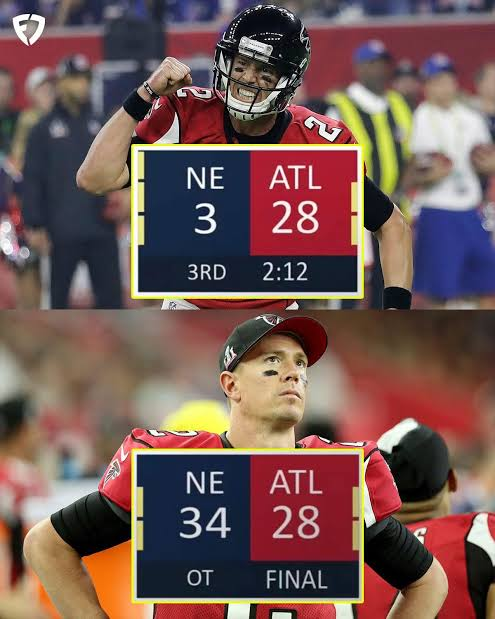

There are so many anecdotes I can share about momentum. The Tom Brady Falcons game, where the Patriots were down by 25 in the third quarter and Brady showed why he was the GOAT and won the game in overtime.
In Haikyuu, a volleyball anime, when a team is down by several points and they keep winning point after point, the winning team has to take a timeout because they are getting scared, even when they are winning.
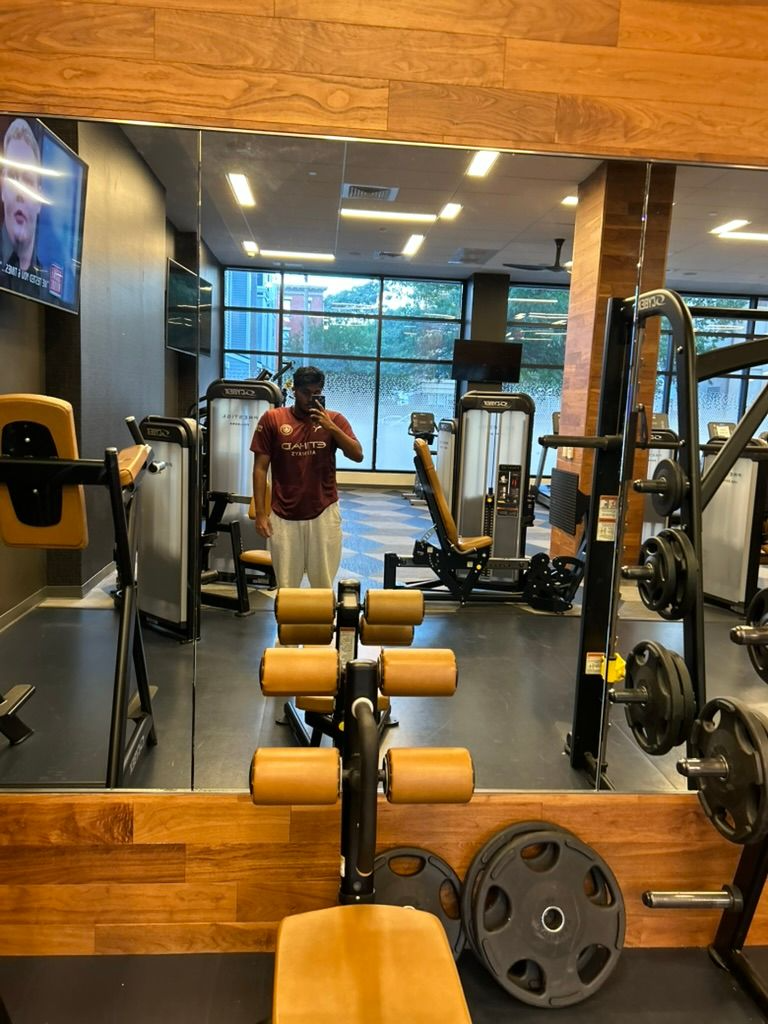
Or even the gym. When you don’t want to go to the gym and have no motivation, but after going to the gym, you suddenly do five exercises and have a great workout because it all started with doing one exercise, one bicep curl that made you want to do more.
Life is all about momentum because it’s about small wins.
If you are constantly pushing something off and struggling to start, writing 20 words is the hardest hill to climb, and then you end up writing 3,000 words easily because you reached that flow.
Most people don’t attribute writing 20 words to a dopamine hit because, I mean, it’s 20 words. But since you were in a lazy state, since you wanted to eat Ben & Jerry’s, since you wanted to do anything but write, those 20 words are a win. I can relate because sometimes I hit writer’s block. I have an idea and get stuck halfway, but after I stop thinking, or rather, stop overanalyzing everything and allow my thoughts to flow naturally, you end up with 54 posts.
Why does a small win lead to momentum?
Yes, it’s hope. It makes the task less daunting. It makes it feel achievable. Trying to win something you never thought you could do means you need to remind yourself that you are capable. Coming back from a comeback is genuinely one play at a time. You need to figure out how to win this play, and then the next one, and the next one, without looking at the jumbotron with the scoreboard.
That small win leads to momentum — yes, because of hope and an energy shift, but it goes back to the hill analogy. Scoring that one goal, when the whole game you were on defense, the whole game the attack never clicked, the whole game you were passive, is an obstacle hard in itself that people don’t realize.
That hill is harder to overcome than actually winning the game, because once you overcome that hill, everything starts to fall into place — the rhythm, the movement, everything you thought you were missing finally comes back.
I mainly used sports as an example, but there are so many real-life situations where this makes sense.
I have a bunch of clothes on my couch right now, and I’ve kept delaying folding them and putting them in my drawer because there are so many of them. I know that once I fold the first couple of things, I’ll probably finish everything because I’ve already committed to it.
But I lowkey still won’t do it today though.
When applying to jobs, applying to five can seem daunting until you actually do those five. Then maybe you start doing LeetCode and blah blah, and momentum starts building again.
The point isn’t the classic “just start, bro” advice.
It’s interesting. Yes, 20 words on paper doesn’t mean anything. Scoring one goal when you are five goals down doesn’t mean anything.
But in reality, it means everything.
 A blog post written by Shreyas Shukla
The Stoic Stack, in your inbox.
Get notified when I drop a new post. Software, AI, sports, philosophy, and life — unsubscribe anytime.
More Blogs Like This
Are Cycles Meant to be Broken
Not every cycle needs to be broken. Some need to be made smaller, and some are worth keeping. On Suits, Pokémon Showdown, comfort, and consistency.
Phil Foden Confuses Me
Would you rather consistently be a 7/10, or reach greatness and struggle to access it again? On Phil Foden, zigzag growth, and consistency as a talent.
The Invisible Weight Is You
You can think about anything, but you choose not to. On identity, slow change, and the invisible weight of your own patterns.